Inside David Sacks' new role shaping Trump's AI agenda - Axios
7 days ago
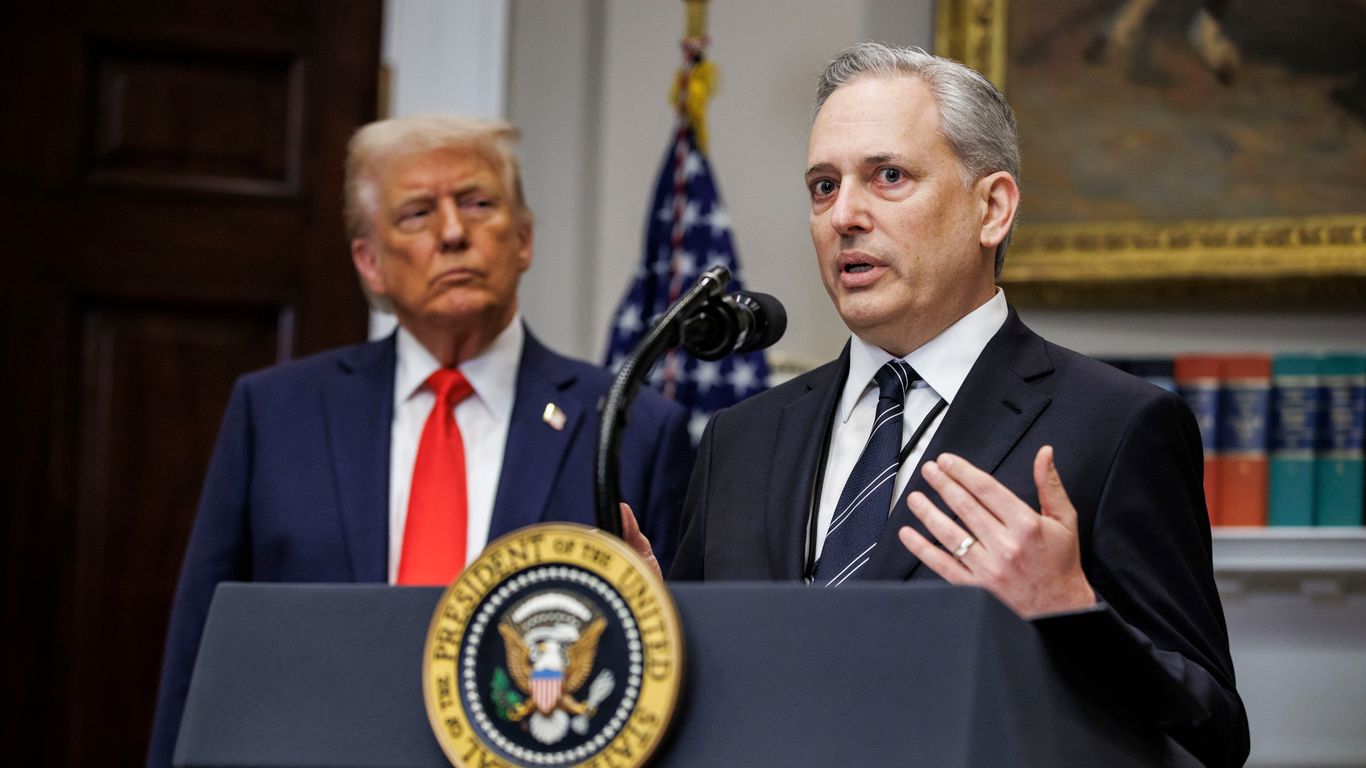
The recent shift in Republican sentiment toward artificial intelligence (AI) development marks a significant moment in the ongoing discourse around technology policy in the United States. As advancements in AI continue to accelerate, leading to both excitement and apprehension, many party members are expressing concerns over what they perceive as an unchecked enthusiasm for AI innovation. This skepticism comes at a time when the Biden administration has leaned heavily on influential figures in the tech industry, such as investor and entrepreneur David Sacks, who has been a vocal advocate for rapid AI advancement. Republicans are beginning to question whether this "all-in" approach is the most prudent strategy, especially given the potential societal and ethical implications of AI technologies. Critics within the Republican Party argue that the current administration's strategy lacks a comprehensive framework to address the complexities associated with AI development. Their concerns center around issues such as data privacy, security, and the potential for job displacement due to automation. As AI systems become more integrated into various sectors, from healthcare to finance, the implications for the workforce and everyday Americans could be profound. Moreover, the fear of regulatory lag—where policymakers are unable to keep pace with technological advancements—has led to calls for a more measured approach. By questioning the prevailing strategy, Republicans aim to ensure that AI development is balanced with necessary safeguards that prioritize the welfare of citizens and the integrity of the economy. The increasing skepticism within the party reflects a broader conversation about the role of government in regulating emerging technologies. Historically, Republicans have championed free-market principles and limited government intervention; however, as AI poses unique challenges, many are advocating for a more proactive regulatory stance. This shift indicates a potential re-evaluation of traditional party lines, as lawmakers begin to recognize that the complexities of AI may require a collaborative effort between the public and private sectors. The call for more oversight does not necessarily mean stifling innovation; rather, it suggests that a well-defined regulatory framework could foster responsible growth and build public trust in the technologies that are rapidly evolving. As the debate continues, it remains to be seen how the Republican Party will navigate its relationship with the tech industry, particularly as influential voices like Sacks continue to push for aggressive AI development. The balancing act between encouraging innovation and ensuring ethical considerations will be crucial for both parties as they craft their platforms leading into future elections. The discourse surrounding AI is likely to evolve, with Republicans potentially seeking to establish themselves as advocates for responsible technology that addresses both the risks and rewards associated with AI. Ultimately, the outcome of this debate will shape not only the future of AI policy in the United States but also the broader political landscape as parties grapple with the implications of emerging technologies on society.